Bill limiting flock sizes
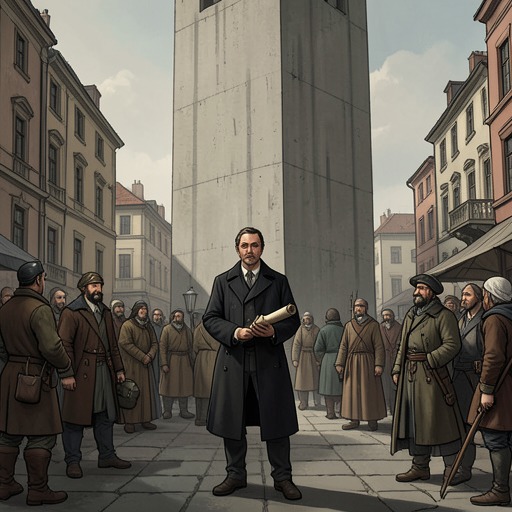
Wolf HallThe Bill limiting flock sizes is a proposed measure against oversized sheep flocks, linked in Parliament to the displacement of smallholders and ploughmen. In the novel, its limit of 2,000 animals per grazier stands beside a succession oath as an example of law intended both to protect the common people and to assert the capacity of the English legislature; debate over enforcement reveals how difficult it is to turn that intention into practice.
Background and Purpose
In the spring of 1532, Parliament’s business includes challenging the jurisdiction of the church courts and advancing measures that would strengthen Henry’s authority over the church. Against this larger struggle, the flock measure addresses a different but related question: what government owes its subjects. The debate situates it within an argument about England’s capacity for self-rule and the king’s responsibility to protect his people.
The measure is directed not against sheep themselves but against the concentration of grazing. When Stephen Gardiner points to a Commons bill “against sheep,” Thomas Cromwell corrects him: it is against “the runners of sheep.” Henry explains the proposal’s concrete limit: no grazier is to run more than 2,000 animals. The distinction frames the bill as a restraint on large operators rather than a general prohibition on sheep farming.
The Bill in Political Debate
The bill’s stated social purpose is to answer the damage caused when expanding flocks displace poorer inhabitants. Cromwell describes smallholders being pushed from their acres and ploughboys driven from house and home. He connects that dispossession to a broader vision of reform, insisting that the common people should have a stake in the kingdom’s laws and that England can be otherwise.
Gardiner turns the proposed limit into a challenge about administration. If commissioners are sent through the shires to count sheep, he suggests, they might also try to swear local people to uphold the succession. He questions how an oath could be gathered from those who cannot read, and ridicules the prospect of officials reaching people on the margins of settled society. His objection does not simply deny the bill’s purpose; it presses the question of how government can identify, count, and regulate its subjects across the country.
Enforcement and Significance
Cromwell’s answer makes enforcement central to the measure’s meaning. The king has officers and justices of the peace, he argues, and the lords of the council will be held responsible for making policy work. The same administrative reach would serve the succession oath: commissioners are to travel through the land, while the bill’s sheep limit would require officials to monitor flock sizes in the shires. Legislation appears here not as words alone but as a demand for a system capable of carrying them into local life.
The bill also sits among several contests over who may make binding rules in England. In the wider debate over royal authority and church jurisdiction, Cromwell argues that Parliament can legislate on temporal matters, while Thomas More maintains that spiritual jurisdiction lies beyond its competence. The flock measure is not itself a church law, but its presence in Parliament contributes to the novel’s portrayal of a government claiming broader responsibility for the realm, from the protection of smallholders to the terms of succession. The evidence establishes the proposed ceiling and its argument in Parliament, but does not specify whether the bill ultimately becomes law or how it is enforced.